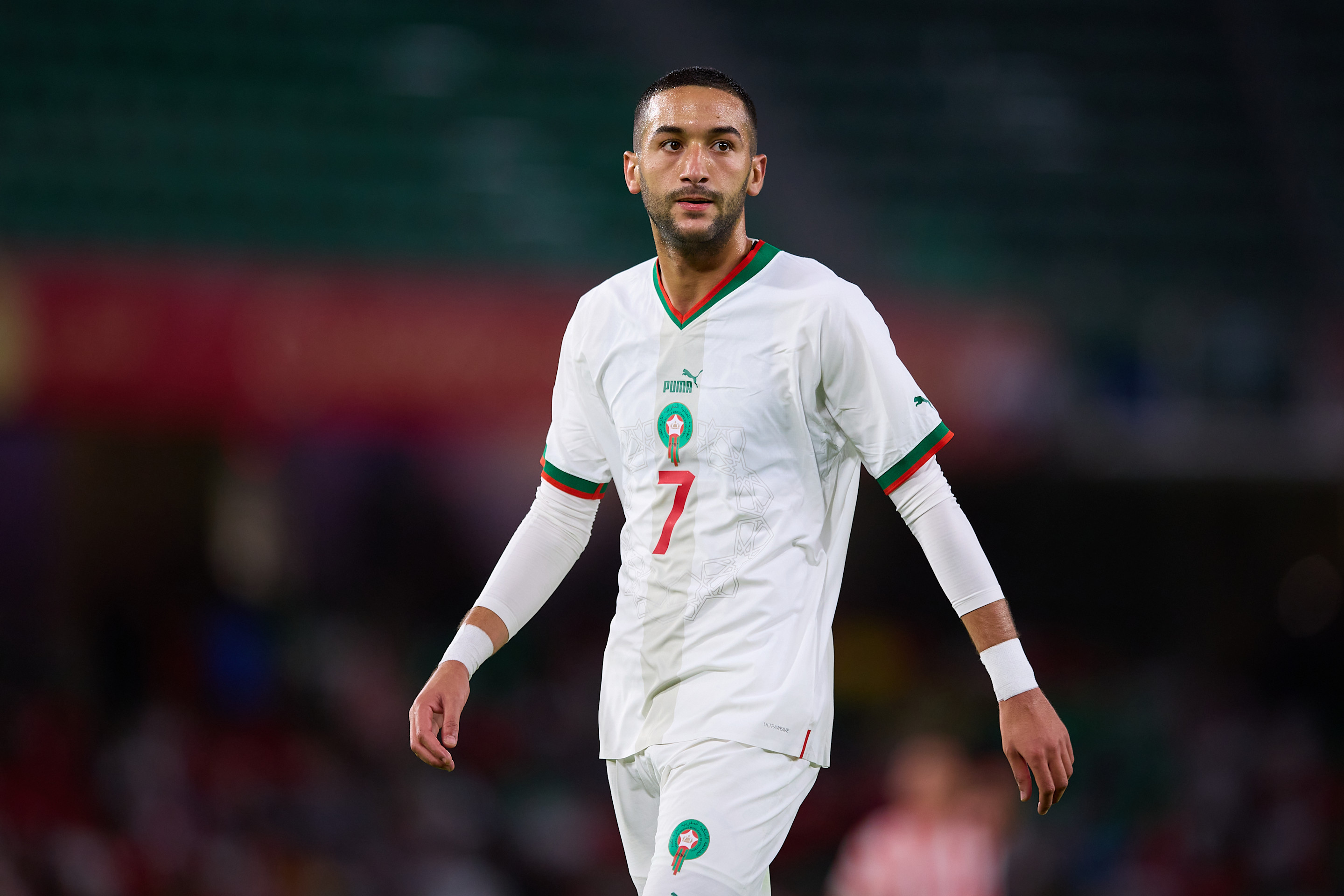
A New Era for Moroccan Football
The future of football in Morocco is entering a transformative phase where talent development, modern training systems, and international exposure are reshaping the sport from the grassroots to the professional level. Over the past decade, Moroccan football has evolved rapidly, not only in terms of results on the pitch but also in how young players are discovered, trained, and prepared for global competition. The growing attention around actualité football marocain reflects this momentum, as fans and analysts closely follow both domestic leagues and the emergence of new stars.
Morocco’s success on the international stage has increased expectations. The national team’s performances in global tournaments have highlighted the depth of talent available, much of which is now being developed through structured youth systems. This shift is not accidental; it is the result of long-term planning, investment in academies, and partnerships with European clubs.
Youth Development as the Foundation of Progress
At the heart of Moroccan football’s future lies youth development. Academies across the country are becoming central hubs for nurturing raw talent into professional athletes. Institutions such as football training centers in Rabat, Casablanca, and Tangier have implemented structured programs that focus on technical ability, tactical awareness, and physical conditioning.
What makes this system particularly effective is the integration of education and sport. Young players are not only trained to become athletes but are also supported academically, ensuring they have opportunities beyond football. This holistic approach increases discipline and creates more balanced professionals.
The growing visibility of actualité football marocain has also encouraged local clubs to invest more in scouting networks. Talented players from rural and urban areas are now being identified earlier than ever before, giving them access to professional pathways that previously did not exist.
Tactical Evolution and Modern Coaching Methods
Moroccan football is no longer defined solely by individual flair. Modern coaching methods have introduced structured tactical systems that emphasize teamwork, pressing, and adaptability. Coaches trained in Europe and Africa are bringing new philosophies into domestic leagues, which are gradually influencing youth academies as well.
Young Moroccan players are now learning how to play multiple roles on the field. A midfielder, for example, is expected not only to distribute passes but also to contribute defensively and offensively depending on the situation. This tactical flexibility is essential for competing in international leagues.
The influence of global football trends is also evident in training technology. Video analysis, performance tracking, and data-driven coaching are becoming standard in elite academies. This ensures that the next generation is better prepared than ever before.
The Role of Domestic Leagues in Talent Growth
The Moroccan domestic league system plays a crucial role in bridging youth development and professional football. Clubs competing in national championships are increasingly relying on academy graduates instead of foreign imports. This shift is both economic and strategic, allowing clubs to build long-term stability.
Fans following actualité football marocain have noticed a rise in young players making first-team appearances at earlier ages. This reflects a growing confidence in local talent. Clubs are also improving infrastructure, including training facilities, stadium upgrades, and medical support systems.
Moreover, competition within the league is becoming more balanced. Smaller clubs are now capable of producing high-quality players who can later transfer to larger domestic or European teams. This creates a healthy ecosystem where talent is continuously circulated and refined.
International Exposure and European Connections
One of the most important aspects of Moroccan football’s future is its strong connection with European football. Many young Moroccan players are now moving to clubs in France, Spain, Belgium, and the Netherlands at early ages. These international experiences significantly improve their technical and mental development.
Scouts from top European clubs frequently monitor Moroccan leagues and youth tournaments. This attention is a direct result of Morocco’s reputation for producing technically skilled and tactically intelligent players. The exposure gained abroad often feeds back into the national team, strengthening its overall performance.
Additionally, dual-nationality players born in Europe with Moroccan heritage are increasingly choosing to represent Morocco internationally. This trend further expands the talent pool and enhances competition within the national setup.
Infrastructure Development and Long-Term Vision
Infrastructure is another critical pillar of growth. Morocco has invested heavily in modern stadiums, training centers, and sports academies. These facilities are designed to meet international standards and support both professional and youth development.
The long-term vision is to position Morocco as a football hub in Africa. Hosting major tournaments and building world-class facilities are part of this strategy. These developments not only improve the quality of football but also attract international attention and investment.
Such progress is frequently highlighted in actualité football marocain, as media coverage increasingly focuses on infrastructure projects and their impact on the sport’s future.
The Rise of Data, Science, and Professionalism
Modern football is increasingly driven by science and data analytics. Moroccan clubs are slowly adopting these methods to improve performance. Nutrition plans, fitness tracking, injury prevention systems, and psychological support are now part of professional setups.
Youth players are taught from an early stage to understand their physical and tactical data. This helps them improve decision-making and performance consistency. The integration of science into football is expected to play a major role in the next generation of Moroccan athletes.
Professionalism is also being emphasized at every level. Players are educated on discipline, media handling, and career management. This ensures they are better prepared for the pressures of modern football.
Challenges and Opportunities Ahead
Despite the progress, challenges remain. Uneven access to facilities in rural areas, limited funding for smaller clubs, and the need for more qualified coaches are ongoing issues. Addressing these challenges will be essential for sustaining long-term growth.
However, the opportunities far outweigh the obstacles. Morocco’s growing reputation in global football, combined with its strong youth pipeline, positions it as a future powerhouse in African and international football.
Continued attention to actualité football marocain will likely reveal more success stories emerging from academies and domestic leagues. The key will be maintaining consistency in development programs and ensuring that talent is nurtured at every level.
Conclusion: A Bright Future for Moroccan Football
The future of Moroccan football is defined by ambition, structure, and talent. From youth academies to international transfers, every level of the system is evolving to meet global standards. The emphasis on education, tactical intelligence, and professional development is shaping a new generation of players who are ready to compete on the world stage.
As investment continues and infrastructure improves, Morocco is set to become one of the most influential football nations in Africa. The ongoing evolution captured in actualité football marocain is not just a reflection of present achievements but a preview of a promising future where Moroccan football continues to rise globally.